Episode #13 - Lisa Dance - UX Still Needs a Public Awareness Campaign
Show Notes
What you will learn in this episode
- The UX landscape in Richmond:
Lisa describes the challenges in Richmond’s UX community and how she contributes through groups like Richmond Design Group, Ladies That UX, and her UX Census RVA, which helps locals understand the regional UX market. - How ServiceEase came to life:
Lisa describes starting her consultancy in 2011 and moving between in-house and freelance work, highlighting flexibility as the key to her career path. - Improving customer experiences through storytelling:
Lisa shares that her book grew out of everyday frustrations with overly complicated tasks and uses illustrated stories to show how widespread bad customer experiences are, especially when technology makes them worse. - Sharing UX with the broader public:
Through UX Happens in RVA, Lisa explains UX to business audiences in plain language. She talks about pitching the segment and using news stories, including the Amazon FTC case, to help non-tech listeners understand UX. - The future of UX and the rise of AI:
Kyle and Lisa explore concerns about AI and how companies use it to hide deeper problems. They also reflect on industry layoffs, declining focus on user needs in big tech, and the continued importance of UX in smaller mission driven organizations. - Marketing yourself as a consultant:
Lisa reflects on the difficulty of staying visible as a shy solopreneur and shares a key insight: the real competition is not other consultants, but companies that take no action at all. - Specializing or staying generalist:
Lisa and Kyle discuss how to approach specialization, what it means to be T shaped, and why consultants need to help clients see that UX skills translate across industries.
- Host: Kyle Soucy | Usable Interface | Linkedin
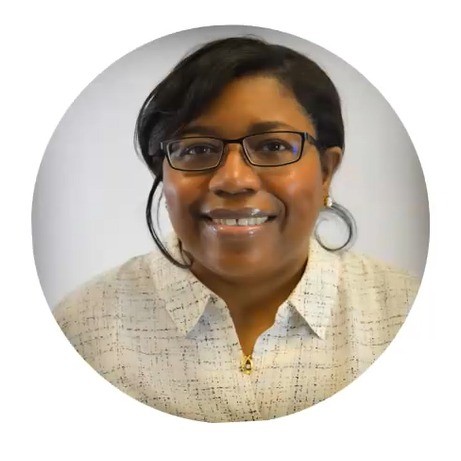
- Guest: Lisa Dance | ServiceEase | Linkedin
- Today is the Perfect Day to Improve Customer Experiences! by Lisa Dance
- UX Happens in RVA (https://uxcensusrva.org/#ux-happens-in-rva)
- UX Census (RVA) (https://uxcensusrva.org/)
- The Product Picnic (Pavel Samsonov’s Newsletter)
Listener Interaction: Have questions or topics you'd like us to cover in future episodes and/or want to share an anonymous consulting story? Submit your questions and stories here: https://bit.ly/uxconsultants-question-story
Don't want to miss an episode?
- Be sure to sign up for the podcast newsletter
- Don't forget to subscribe to the podcast on Apple Podcasts, Spotify, or your favorite podcast platform
Transcript
Kyle Soucy: [00:00:00] Welcome to the UX consultants lounge. I'm Kyle Soucy, founder of Usable Interface an independent UX research consultancy. You can find out more about my work and the services I offer at my website, usableinterface.com. I'll be your host here at the lounge where I'll be providing a place for UX consultants to gather, share stories, and learn more from one another.
A quick update from Kyle
Kyle Soucy: Before we dive into today's episode, I wanted to share a quick personal update. Since the last recording, my husband Roger, who is also in the UX industry as a UX designer, was laid off. I know so [00:01:00] many of you listening have gone through layoffs yourselves, or you're worried about them. Or you're supporting friends and colleagues who've been affected. It has been a really hard year for a lot of us in ux, whether you are a researcher, designer, content folks, really all of us.
I just wanna acknowledge that if you're feeling anxious, exhausted, or uncertain about the future, you are not alone. I'm right there with you. And at the same time, I am still hopeful that 2026 will be a better year, that the pendulum will swing back toward valuing thoughtful human-centered work and the people who do it
Introducing Lisa Dance
Kyle Soucy: in that spirit.
Today's conversation feels especially timely. My guest is someone who is not only doing great work as a UX consultant, but is also pouring a ton of energy into [00:02:00] advocating for better customer experiences and for our profession as a whole: Lisa Dance. Lisa is a UX researcher and consultant based in Richmond, Virginia, and the founder of Service Ease.
She specializes in helping organizations untangle messy, complex experiences, so regular people can actually get things done without wanting to throw their laptop out the window. She's also the author of the book. Today is the Perfect Day to improve customer experiences. It's an illustrated look at all the ways everyday customer experiences are failing us and what organizations can actually do about it.
On top of that, Lisa is on a bit of a public awareness campaign for ux. She runs an annual UX census for the RVA area, which is the Richmond Virginia area.
It's a survey to [00:03:00] understand the local UX community, and she's a regular guest on a local business radio show with a segment called UX Happens in RVA, where she explains user experience in plain language to business leaders and highlights local UX talent. In my conversation with Lisa, we get into, what the UX scene in Richmond, Virginia looks like and how she helped nurture it, uh, the origin of her company Service Ease and, her experience moving between in-house roles and independent consulting, kind of back and forth how she thinks about UX research as risk management, including lessons from Amazon's click to cancel case. The emotional and practical realities of marketing yourself as a shy solopreneur, which I think Lisa and I can both agree that's exactly what we both are. And the tension [00:04:00] between specializing versus staying a generalist as a UX consultant.
All the links that we mention, for Lisa's book, her radio show, everything is all listed in the show notes. Alright, let's dive in.
I hope you enjoy my conversation with Lisa Dance.
All right, welcome to the UX Consultants lounge. Lisa, I'm so excited to have you here.
Lisa Dance: Thank you. I'm excited to be here.
Kyle Soucy: So you are joining us from Richmond, Virginia. Is that right?
Lisa Dance: Yes,
Kyle Soucy: It's funny, I was thinking back on my network. I think I only know one other person from Richmond. I could be wrong. do you happen to know a Joe Sokohl?
Lisa Dance: yes, I do know Joe, and in fact, he was the very first person, like in UX that I met locally.
And, he met with me and I, showed him my portfolio, everything, and he had such complimentary things that gave me that confidence, because. [00:05:00] Is difficult to break into. Right. You know? So having that warm welcome was much appreciated.
Kyle Soucy: Oh, that's so good to hear. Joe is one of the best human beings in this industry, I think
so. That's awesome that you guys know each other.
The UX scene in Richmond, Virginia
Kyle Soucy: I'm curious, what is the UX scene like in Richmond, Virginia? Is it mature? Are there a lot of meetups in groups or is it hard to see other UXers?
Lisa Dance: It's not as mature, um, as , I would like it to be. So Joe was involved in. It used to be called Richmond UX and it's now called Richmond Design Group. And that's been around, I would say, probably at least 15 years. So it does have that
sort of historical piece to it, but we aren't having as much meetups and things as I think we would like to have with
it. I was on the Richmond Design Board, for a while and I was [00:06:00] on, we have a Ladies That UX chapter and I was the organizer of that for a while as well, . Those are the stronger local organizations. We have a RVA content strategy, that has like virtual events and all, and I run, um. So, like I was saying before that,it's challenging even now to get your first role in ux, right?
And so when I was having that experience, and I especially wasn't finding information specific to Richmond, like I saw a need for it. I eventually I got in the industry and working in things like that, but I saw that people were still having that issue. So I started the UX census RVA survey, and it's a survey of the local, user experience community. So it just gives information about like how is actually practice here and what kind of industries people are in and what kind of roles and their salaries and what challenges they are. So that's something that I [00:07:00] do, every year.
In fact,
it's running right now. And people have said it's an important resource to help people just to understand what's out there. from an information standpoint, I do try to contribute that away to the community.
And in fact, I started a radio show segment, called UX Happens in RVA because user experience really isn't, that, people aren't as aware of it, right?
It's still a relatively unknown field. And one is somebody in business and going out and meeting people, and I'm saying I'm in user experience and people don't know about it. So I always have said user experience needs, a public awareness campaign, right? So this is my sort of contribution to it. also just one, bring awareness to it. to get more business for myself and others who are in the field. And also just to highlight the talent and what people are doing, locally. yeah, so that's another way that sort of try to contribute [00:08:00] to the maturing of it, of UX locally.
Kyle Soucy: Such important work and contributions. I feel like as UXers, especially people who have been in the field for 10, 20, 30 years, we sometimes take for granted. We just assume everybody knows, how important UX is and what it even is. and we do need to remind folks that it does exist and there is a reason why it exists.
And I love this public awareness campaign that you are on, and that's how I became aware of you. So the, I didn't know about this, the survey, and I bet that is a huge service to the local community in Richmond. that's wonderful. I know for myself as a consultant, being active in local groups was really important.
so I'm in New Hampshire now. Originally from Philadelphia and in New Hampshire there's really not much, everything's in Boston, and Boston has great UX groups that have been around for a long, long [00:09:00] time, beginning there from New Hampshire, you know, 90 minutes traffic. End of the day it's just not happening.
So we did start groups here. They kind of died down and we're hoping they come back, but. I would highly suggest for consultants, especially if you want to get to know your local network to get involved and it is so great to give back in some way. so it's wonderful. I think that you're doing all that.
About Lisa's Company, ServiceEase
Kyle Soucy: Um, I wanna hear all about the radio show and all the stuff you're doing for this public awareness campaign, but I wanna take a step back for a moment and, talk a little bit more about your company. 'cause I always think it's interesting to hear the origin story of a consultancy.
And when we previously talked, you mentioned starting, uh, Service Ease, your company, and can you tell me a little bit more about it and the services you offer?
Lisa Dance: Certainly. So, I'm a user experience researcher, so I offer services from user research and [00:10:00] strategy into interactive prototyping and usability testing, and also do training to try to, help, increase, the capacity in, in-house for just understanding, when user experience research is and how roles within the organization actually impact customer experiences, typically my clients are, say small to mid-size companies. I do, have a little bit of a niche I'm working with when around financial services and smaller banks and credit credit unions.
But I do, you know, walk across in, industries, you know, that some complexity, right?
So I've worked in financial services insurance, pre being in ux, I worked in the mortgage industry. I worked for pensions and stuff like that. So I've always worked in industries that had some complexity to it, and I love that, right? Because, um, those are the things that we need to do on the everyday life.
So I'm, Interested in making those things [00:11:00] easier for, customers? Yes.
Kyle Soucy: And you started it, back in 2011. Is that right?
Lisa Dance: Yes. In 2011 and the thing about it, and I always say 'cause people say, oh, well that's a long time. But, you know, that was me getting in the industry trying to, get experience. And the goal always was to get into a full-time role. Right. Um, so I was just doing really small projects and just trying to, get my feet, wet in the industry. and so from there I morphed into working full-time and, services, got smaller and I may be just doing speaking and writing projects. To back working for myself, uh, to back in house and back working for myself the last, three or four years.
Lisa's experience working both in-house and consulting
Kyle Soucy: it's interesting to hear about that because everybody has a different consulting journey. some people go out and stay out, some people go [00:12:00] back and forth, and I think it's good to hear that you can go back. You don't have to worry so much if there is something that comes across, you know, an opportunity that you really wanna jump on, that it's okay and that your consultancy can still be there for you
if you should decide to return later.
Lisa Dance: Right. Absolutely. And so much of it is you have to Think about the projects.
that are. So much depending on you being there in the time and the place, or are there things that you can do that are more asynchronous,
right? And, how you can do those things, so that if you're in house, that you're still having,one your name out there, income coming in.
And unfortunately the way the world works now, I've had three layoffs.
Um, you know, layoffs are real. you have something to go back to. Right?
And also yeah,
Kyle Soucy: yeah, these layoffs, we're definitely gonna talk about those. I wanna get your,your thoughts [00:13:00] on what's going on in the industry, but, talking a little bit about this, you could go back in-house, but keeping that door open in case there is a layoff or something, is important.
And, I've always, I've been asked, 'cause I've been on my own now for over 20 years and, some of the people are like, would you ever go back? And I never say never. who knows? especially now, the economy's tough. But, there are pros and cons to both. I definitely have my list of pros and cons and for me, there may be some things that I could get with an in-house job, but I really love the flexibility, with the consulting. And I'm curious from your standpoint, you know, having so much experience going back and forth, what's your feeling? Do you prefer one over the other or does it vary?
Lisa Dance: I think it varies. in-house you do have those, uh, the financial benefits and, the other benefits, healthcare and, health insurance and all those, and 401k and all. And those are really good incentives why people, go [00:14:00] in-house, but also in-house you get to see projects from the start to the finish and then, go on from theirs and, the iterations of it. And so I do like that piece of it because, you know, sometimes as a consultant you don't see all of the implementation and how things worked out. So I do, love that. I do love being involved in projects that have a big impact, with it. And so that's. Those are great pieces. but then, with being on your own, you are setting your journey, and you can go and like the ways and things that interest you and really, pull on your strengths, but also challenge yourself,
with it.
And, you don't have to ask permission. You can just, do things that
you know, which you feel,are right and you get to, pivot in, different ways. that's interesting. And then you get to be working with different businesses and you get to learn about things that you didn't [00:15:00] necessarily know versus if you're just in one industry, you're, doing the same, around the same types of things with it.
It's definitely I think to both. Absolutely.
About Lisa's book, Today is the Perfect Day to Improve Customer Expereinces!
Kyle Soucy: I love that variety. You know that it's hard to beat that. yeah. It's, that's a good pro.
Now you said that, you know, UX needs a public awareness campaign, to help spread the word of how bad customer experience issues have gotten and to lead the charge of this campaign. You've written a book, like you mentioned, called Today is the Perfect Day to Improve customer Experiences, and you have, you mentioned your regular guest appearance on the public radio show called UX Happens in RVA.
And I'd like to talk more about each of these and all the work you're doing to bring awareness to the fact that customer experiences do not have to suck.
So first, tell us more about your book and why you decided to write it.
Lisa Dance: Yes. So it [00:16:00] started because, I guess now would be about eight or nine years ago, I noticed in my personal life that I wasn't getting things accomplished. I'd have my to-do list, and somehow I could never get it finished, even though I was trying really diligently to do it right.
And then I started to notice it wasn't me. I was trying to do it, but anytime I was interacting with a company or organization and trying to get something done, I couldn't. It either would be. I couldn't find the information. There's something wrong with the website. I was getting bad information. It was always something, some delay that was happening and it wasn't in my control.
And it was so frustrating because these would be most times relatively simple things that just needed to get accomplished. And it didn't seem like it was making any sense. And as I just talked to, you know, started with family and friends and they were [00:17:00] having the same types of issues right? And being like really frustrated and it would get to be quality of life things because you'd be so frustrated you would be taking so much of your time, trying to get these things resolved 'cause you'd be calling, waiting on hold and different things like that. And it was just absolutely frustrating. And then I saw,a tweet on Twitter. The person said something like, they wanted to write a book called Nothing Works. And they talked about like cell phones and,phone menu options and health insurance. And they threw in like diets and, but it was all of these things that as a consumer across all different types of industries. And I was just like, ding, ding, ding, ding, ding. When she said that, nothing works. Like she encapsulated what I had been seeing and as I've been talking to people and collecting these stories. And so I started just writing about that. But it was also, the [00:18:00] issues were sort of nuanced,
right? And so I would write about it and I did a couple of presentations on it, but I felt like. It needed to be like, I wasn't necessarily saying a book, but it was like, there was so much nuances and levels to it that it needed to be more than just one article, one presentation.
And then I was lucky enough to meet a illustrator. And as I was, we were talking about customer experiences and he got it so quickly, like the nuance of it. And I said, that's no way I can afford him. But I went on and said, Hey, I, have these ideas. And initially it started out him just, doing illustrations of some of these stories I had collected about like real life customer experiences going bad. And he could take this story that was like eight pages of oh my gosh, just ridiculousness of how this, this customer experience [00:19:00] went wrong and he could, you. Capture it, in one page and bring a little humor, but humanity and like the empathy, and you could feel all the emotions and the context of what it was going on. And as we started working together, I said, I was going to use these illustrations in my business, but I think I'd need to put these all together as a book and then I could actually get into the layers of this, the story.
So it was not only that customer experience were getting worse, increasingly worse, it was also that at the same time, companies were going increasingly to having a technology first approach to customer service and support. So not only were you having. Customer experience is getting worse and you are having such a difficult time trying to get the issue resolved, then they're also, you're dealing with technology that wasn't [00:20:00] effective
at helping you get the solution you needed.
So then you were doubly like being stressed
and spending time, money and being incredibly frustrated about these experiences. And that's how the book came about of one illustrating these types of, of experiences across and across different industries. And that was the big piece I wanted to. Point out is that no industry's immune to it. It,
you're having these issues across different industries and that's why that nothing works, tweaked, just hit home so much
Kyle Soucy: you would think we would have massive job security because of how hard everything is to use and continues to be. I, it really, it frustrates me so much because being in this industry for so long, you would think by now we would have just. More impact on [00:21:00] being, user centered in product design. But it feels like you mentioned, this tech first approach and now everyone's taking an ai, first approach, and
we're seeing the fallout from that.
it's a bit frustrating, but you writing this book to try to spread this word, how do you feel it's being received? How do you feel, it's going? Is it setting out to achieve what you hoped it would?
Lisa Dance: Uh, you know, it's making a little, like a little rip ripple in, in the ocean
of it. I didn't have huge ambitions for it. I just felt like it was something that needed to get out in the world, and if I could get it into the hands of some people that were decision makers, like it could have impacts, you know, at least in their organization and things like that. I feel like it, it has had some impact. It's not a bestseller by any means, with it. But it, it kinda stands the test of time [00:22:00] because these stories are still continuing. I feel, it's given me a platform to continue to talk about it and spread the word. And I think that's made it effective.
Kyle Soucy: Yeah, it in that way it is absolutely invaluable. And I have it here, so I'm flipping through and I, when I was looking at it this weekend, the illustrations are fantastic and I do think, it's true what they say, a picture's worth a thousand words, and if you can boil it down and whatever medium is necessary to get someone to just have that light bulb moment where they get it, they get why we're needed, they get our value.
Then it's a home run. So I think that's wonderful and very well done. I love that. That's what sparked it all for you. this, nothing works. And then meeting the illustrator, it was just all kind of fell into place and it was meant to be. So I think it's amazing that you put it out there.
Lisa's advice for writing and self-publishing a book
Kyle Soucy: And I was wondering, for anybody who is [00:23:00] considering, taking on something like this, it's a huge thing to take on writing a book,self-publishing, putting it out there, promoting it. Any words of advice? I imagine you know, a lot more now than you did when you first started this.
Anything you would do differently or,
Lisa Dance: One thing I would do differently is that I probably would've given myself more time,
but I didn't know what I didn't know. And one of the things was I wasn't sure that I could write a book in the sense of, I've had people tell me that I'm a good writer and people have enjoyed articles and things that I've written. but it does, it can take a lot outta me.
Sometimes it, it flows very well, and sometimes it's like,pulling everything out
of me, right? And so I didn't know if I could get it over the finish line. So that's why I didn't like, try to make a pitch and try to get a publisher because I didn't feel like [00:24:00] one, like maybe even doing the whole pitch might've taken everything out of me. So I said, okay, I'm going to do this self-publish. And initially it was going to just be a ebook,It's not even the biggest commitment.
And I said, so if I do it that way, if it's too much for me, then I can just stop. I'll still have these lovely illustrations. And I do wanna plug, his name is Antonio Meza. and his company is Ann Tunes and he's outta Paris. Wonderful illustrator.
I would still have these wonderful illustrations that I could use, in my business and things like that. And okay. So that dialed down the pressure if I, could do it like that. And then. What I did, is I did a design and prototyping approach to it, because what I did was I broke down each of the stories, and I took a typing paper and folded it like into four and [00:25:00] folded in half, like a little booklet.
And then I did a, like a mockup of that chapter with that story, and I could like visually see how it looked, but also it just helped me keep my thinking around just one chapter. And that helped me that was a big milestone that I got over in, Creating what would be in each chapter. And so that was just really helpful for me. And once I got that, I said, okay, I have chapter three done. Okay, I have this other story. And then I already had okay, this is how the layout is going to be. And then I would work on what the actual words would be for that chapter. And so that was just really helpful, with it. And so I published the ebook, back in January, 2024.and that, that went relatively okay. Yeah, you publish in an ebook, is one thing. But then I, as I. [00:26:00] Got that out there. Especially 'cause I had these wonderful illustrations of felt like, oh, somebody needs it in their hand. And so I said, okay, I'm gonna do this in a paperback. Well, that's a lot of other complications to that because there's sort of a certain way it has to be formatted for a book publisher for even self-publishing. And that was a learning curve of getting, someone to do that setup. and then a big piece of it, which,I didn't think about at the time is that when I did the, uh, ebook, I didn't include an index. And so when
I went to do the paperback, it's oh, you need an index. And so there are people who specialize in do doing book indexes. But. They have to know the material to be able to index it,
so I wind up indexing it myself. and especially 'cause my book, they, there were concepts that layered throughout [00:27:00] the book and so you kinda really had to understand the material to be able to do it.
I'm not to say I, I did it well, but I did do the index with it. that was something that popped up like almost at the end and thinking, oh, I have to get this, done. So one thing I would give advice to people is there are people who specialize in different parts of book publishing that can be helpful.
I definitely knew I needed somebody for proofreading and things like that
because I. I. self-edit myself so much and go back and correct that. I just automatically have typos, because
I've cut this sentence off, moved this here and all. So I definitely needed that.
There's also like a developmental editor, so If you don't have your story, or your ideas and concepts, completely done, that can help you develop it into, a solid, piece.
So it's people like that. It's people who, you know, there are actually book [00:28:00] designers who do the layout and things like that, and it makes a difference.
people who do indexing, people who do just, like book marketing, right? And I did do a couple of courses with, a woman who's a book marketer to help you with that piece. So there are definitely people, who can help you if you want to do a self-publish. Now, of course if you are, if you go to a publisher, then . They have those things, but whether you're self-published or for publisher, you have to do a lot of marketing
of your own books. So yeah, be prepared to, to do that piece. Yes.
Kyle Soucy: Yeah, that's the piece I think that scares me the most. I, it's getting it out there after you put all the work into it, you wanna make sure people know what's out there. but I love the approach that you took of just biting off as much as you could chew and seeing how that goes and not being overwhelmed at taking [00:29:00] on something, so big and I love how you paper prototyped your book, too.
That's a
great approach.
Lisa's radio show guest appearances on UX Happens in RVA
Lisa Dance: Now, I'd love to talk a little bit too about the radio show you mentioned, uh, UX happens in RVA and for anybody who's not aware, in the local area or perhaps, listening in from another country, RVA stands for Richmond, Virginia. how locals refer to it, is that right?
Yeah. The, the surround Richmond and the surrounding area. RVA. Yes.
Kyle Soucy: Yeah, so tell us more about that.
Lisa Dance: Yeah. in publishing my book, I was trying to get promotion and I was, able to get on, there's a local business radio show called On the Mic with Mike, the Mike King, biz Radio show. And so I was able to go on his show twice. And as I was thinking about ways to try to promote more about. User experience [00:30:00] locally. I thought, hey, he has a built in audience of business people, nonprofits, any of the sort of big news, business news in the area, or community news. people come on his show. And I reached out and said, would there be an opportunity, to, to share more about, what user experiences and plain language, for the audience of business people and nonprofits, so that they can understand how it could benefit them. And then also I could bring on and interview people locally who are doing things around user experience so they can also see, businesses big and small who are implementing user experience, with it. And, we talked and, outlined the opportunity so for me to do that.
It started in July and it's twice a month. It's been a good way just to bring awareness to user experience. And a couple of things in the [00:31:00] news have been good fodder for actually talking about on the show.
Lisa'a advice about self promotion
Kyle Soucy: I absolutely love that you pitched this idea of having you on as a guest to this business radio show, and. For me, you didn't just seize an opportunity. You created one for yourself. And that, that takes guts. And I think it's the kind of creativity and moxie that you need in order to survive as an independent consultant, especially during these times.
Lisa Dance: What advice do you have for any consultants out there that get nervous when it comes to self-promotion or finding and creating these kinds of opportunities? yeah. I, it's definitely challenging, but I think I'll. Always think about how can I present things in a win-win for people, right? So it's not just oh, hey, I wanna be on your radio show. It's, [00:32:00] Hey, I think that this is an area where people aren't aware of it and there's a lot of benefits. And then if I can bring on guests that, have an impact locally, that's also, good awareness and things like that.
Like being able to sell it, not just benefiting me, but benefiting
you. I think that's how I've been able to be successful in pitching things. it's just making sure I'm outlining what the benefits are to, other people. Two sort of pieces of advice. I've heard over the years. So one was, this was around job hunting, but I think it's still hits, is that, you can volunteer and do something that people won't pay you for. Right. So that's sort of like, if you are going to, you know, you might not get someone to come to you and say you wanna do a radio show, but you could, pitch and create this for yourself, right.
And so there's something to just going and trying to do something that you think that will [00:33:00] make a difference and, and pitch it and, and see,
Kyle Soucy: And making sure that angle of it will actually benefit them. Yeah. And obviously it must be they keep having you on, so it must be going well, right?
Lisa Dance: Yes. And in fact, the last show,Mike and I, we had talked previously, he had mentioned when click to cancel that rule was blocked. And so he
said, that's something I want to talk to you about when you come on. So we had talked about it then that was back in July. then Amazon settlement, two weeks ago, when they settled with FTC for $2.5 billion, that had something in a sense to do with click to cancel because although that rule has been blocked, some of that language in that settlement sounded a whole lot like click to cancel to me because it was like customers have to be able to have a easy, not time consuming way to, cancel their subscriptions.
And they must be able to [00:34:00] cancel in the same manner in which they signed up. That's, that was
click to cancel language. Right? And so it was really funny for him and I to be able to come back and have that same conversation. you have the conversation on that. And then, I was able to talk about how the first witness in that trial between, Amazon and FTC was a user experience researcher. So that shows you how important user experience research was to this trial that, ended with a 2.5 billion,
billion dollar settlement,
FTC's case against Amazon's click to cancel practices and how that will effect us
Kyle Soucy: And how lucky I think, this radio show host was to have you at Arms reach, oh, I've got the perfect person. To talk to about this. It was just great that you positioned yourself in that way, and I'm sure he loved, being able to talk to you about that. And just to take a step back for anybody that just might not be aware, of this click to [00:35:00] cancel, issue with Amazon in 2023, the US Federal Trade Commission, FTC, accused Amazon of enrolling tens of millions of customers in Amazon Prime subscriptions without their knowledge, and then made it difficult for them to cancel, which Lisa mentioned, and then the fines 2.5 billion, which is amazing.
that's huge. and Lisa, how do you think cases like this will impact the UX industry and UX consulting?
Lisa Dance: Well, I hope. If they're doing like I'm doing, which is I had been already working on talking about user experience research as risk management. and so really using that case study as, risk management, like if Amazon had actually listened to, their user research team as they brought these issues up, then they could have saved, that money. So I'm positioning it as looking at taking this case and [00:36:00] looking at it is risk management. And in fact, I have a webinar on the 29th that I am talking about user experience research as, as risk management. So I'm really trying to put it out there and also to make sure people understand that even if you don't have a subscription and order renew and all of that. There are lessons that can be learned from that case that people should be aware of in business. Yes.
Lisa's take on the future of UX research
Kyle Soucy: Absolutely. I love the framing of UXR as risk management. this is just. Top of mind, I think for all of us in the industry. We talked about layoffs. earlier this month, Pavel Samsonov wrote a great newsletter called UX So Bad that it's Illegal, and he mentioned Amazon's click to cancel and he just was reflecting on how big tech is just divesting from user-centered design and getting into hot water with the law because of [00:37:00] it.
he also stated in his newsletter, the trend from what he called corporate overlords is very clear that users should just be thankful for what they get and any problems are their own fault and nothing to do with us. And he was regaling against,tech giants like Google, who are too big to care anymore about their users and even their business customers.
which is proof in them, sadly, laying off every single researcher under staff level in its cloud division this month. And, Lisa, I, what do you think about this trend of big corporations leaning away from customer satisfaction and all the layoffs we're seeing as a result within UX research and design?
Are you nervous at all about the future of UX research?
Lisa Dance: Well, so two points. So one thing I have said this, and this may [00:38:00] like first time on air, but I have said this for a couple of years now, that, these large tech companies like user experience really needs a divorce from them, or at least a legal separation because they have not been good stewards of user experience. And have not been for quite some time. they're, they're just putting, most cases profits above, the user who's using their time and their money to use their products. So they're, and I view customer relationships and transactions as value exchanges and both parties supposed to get something of value that they want from the other. And these companies, and most, in a lot of cases, have just broken that, that value exchange. And somehow they're expecting customers to spend their money and their time for getting things that they don't want. And that's not,that's just not the way it should be. 'cause you should have control over your time and your money. So, a [00:39:00] divorce
or a legal separation is needed, right?
Because they're just not good stewards of it. And then we have, you know, capitalism as its practice now, does not, put that emphasis on, customer value or in employees and environment and It's all about shareholders, right? And a lot of companies, that's exactly what they're doing. so we are at a time now from a political and a business, a economic thing that's really a challenge of who's going to win this, right? Just as consumers, themselves and who's really gonna win this. and just thinking politically for a minute,we have the EU and different other governments who are, passing laws around AI and customer protections.
And so in the US we may not have those things on a federal level, but we have states who are trying to do that work too. So we have to get the protection where we can far as [00:40:00] consumers, as a industry. I.I feel like maybe those opportunities may drop in those types of companies, but then there are a lot of other, companies smaller than them who at least don't have the monopoly that they can just disregard customers. They also are delivering, products and services that are so much more tangible that they have to do it better. So they need this additional, expertise that people in user experience can bring. So I've never wanted to work from those big tech companies when I've been approached.
I've said, your values just don't align with mine. so I'm always looking at those, what some people would say non-sexy industries, but those types of things that people just need in their everyday life to go on. And, they have the need for user experience and customer experience,
within that.
So I think people may have to start who [00:41:00] maybe looked at those places as places to work. May have to start looking in, other industries for that. Now, of course, because these may not be as larger of companies, there may be less jobs and it has to maybe be more competitive.
but unless we're just going to go to a system that every customer is faced with, this is just what you get and spend your money anyway.
Which I don't see that happening. I think that there's a need for it, and that's part of the education piece of it too, right? making sure that there's more awareness of, Hey, this is how we could help you
Lisa's thoughts on AI
Kyle Soucy: it's interesting like, Pavel said too big to care. But I don't think that means that they are too big to fail. And I think that this pendulum is gonna swing, it's gonna be painful for a bit, but I cannot imagine that Google, Amazon, Meta all these companies that are just doing these huge layoffs, in UX research and design are not going to [00:42:00] feel the pain of that, pretty soon. and I think every company at some point is primed for disruption. They might seem untouchable, but anything can come along and unseat you. and I think that, that will happen. so I, I remain optimistic about our future as an industry, but I do think it's going to be painful for a bit, especially now with AI and everything everybody's seeming to want to cut corners now and get things out there quicker and quicker and quicker.
But again, I think that pain of that will be felt eventually.
Lisa Dance: Absolutely. And I think with ai, so I have so many conflicting, thoughts on it. So fundamentally I never can get away from the fact that it's based on historical data with all its biases and accuracies and, lack of, representation in all of that. So that's just [00:43:00] always ever present in my mind, even when, they're saying AI is gonna save the world.but also one of the things that I keep thinking about is, especially when they're championing now the AI agents so much is do we need AI agents? Because we have made things so horrible that you need
Kyle Soucy: Yeah.
Lisa Dance: something else to actually do all of the, The unpaid customer labor, which is a term for my book, the Due Office, unpaid customer labor, because you've made a simple transaction into something that's
just horrendously complicated.
also, with AI is I know as a researcher, companies have not put in as much time as they needed to, into really understanding what the problems are and what customer's needs and wants are. So I'm not feeling like I can a hundred percent trust that you have somehow created an AI agent [00:44:00] or AI to solve something that you haven't put enough time into understanding in the first place.
yeah, so it can, it can do some things, but really understanding these complex problems and especially if we created more complex systems.
Um, I'm not sure about that.
Kyle Soucy: Okay. And I. I like your point about, just amplifying the biases. I mean, that's huge, but the fact that you wanna cut corners, and cut out the research aspect, it's just gonna be a compiled issue with all this.
Lisa Dance: Definitely.
Lisa's challenges with marketing and business development
Kyle Soucy: So let's talk a little bit now about, business development. when we talked previously, you mentioned that something you wish you had known before starting your business is just how much more marketing and business development are required and how much time it actually takes.
I know I can relate to this feeling [00:45:00] and I'm sure every consultant listening can as well. Can you tell us more about what challenges you experience when it comes to marketing and business development?
Lisa Dance: Yeah, definitely. So especially as a solopreneur, you are sort of, your best, marketing and having to be out there at events and networking and trying to get your name out and, I'm a fairly shy, restrained person and
so having to do that can be. A lot. and then there's only one of you, so you also have to figure out what's the best use of your time for that. so that's big. but then also, I do a lot of content marketing and so whether it's writing my newsletter doing social media posts, speaking or presentations, even a book, all of that sort of takes time , and those can [00:46:00] be also a slower, awareness and to getting, new business and things like that. So you have to put a lot of effort out into that. So I think before starting a business, what I would have done is really tried to figure out better. Either should I have a niche and how to get to it, or, really where was gonna be my big source of clients. And so I would know where to put, the most energy into it.
'cause sometimes you go to networking events and you think, this is not gonna be too much, but then you'll talk to somebody and it's oh yeah, this, this might lead to something. But then you go to one and you think, oh yeah, this is, the people I need to talk to.
And, nobody's very friendly. And so you aren't, making, any strides with it.
yeah, definitely having a plan on what your business development, your sales funnel and cycle is like, and having that develop. I think that's huge. anyone before they go out on their own, [00:47:00] work on that piece of it and have a few people in the pipeline so
that, you aren't feeling like you have to just, keep on doing, having to scramble for those types of things.
Kyle Soucy: Yeah, I can echo the exhaustion of networking. it's hard. I, it doesn't come naturally to me, either, that's for sure. but it's one of those things we have to do, right? We have to do it. You mentioned, before when we talked something that really struck me.
you said it's not the competition of someone else, it's the competition of not doing anything inaction. And that just stayed with me. I really like that. Can you tell me more, about this feeling of compulsion that you have to just keep doing stuff to stay relevant or.
Lisa Dance: Yes. the biggest competition I feel like is not me between somebody else doing user experience research or design. It's, a [00:48:00] organization not doing anything, Not even recognizing it's an issue or not recognizing that anyone can help them with it. or thinking it's a marketing or sales problem and just doing marketing, sales things with it. it feels like that comp, the biggest competition is. Them just not doing anything. and so that's where that big awareness piece has to keep coming in, giving examples of how it's made a difference, talking about clients that I've worked with and trying to showcase, how it can make a difference and giving some variety to it so that, they can understand it can apply to my business too. So always like I have a credit union client and I'm working on trying to get another client ready, but I've also worked for, with an arts organization and I also worked with a startup printing platform, right?
And so that,people can see themselves within your story. So yeah, that's a big piece of it is just keeping that awareness going. [00:49:00] If you are having these type of issues, there are resources that can help you, really understand what the root cause of it is in helping you to resolve it.
Kyle Soucy: Yeah, as you put it, when we talked before, just keep beating that drum. And,
Lisa Dance: Right?
Kyle Soucy: and it's so true. And what you just said about how, the prospective clients, they need to see themselves in your work and your, the problems you're talking about and be like, ah, yes, that's the problem I'm having.
She can help me with that. So key and I think oftentimes we hold back from sharing all the things we're working on. Probably we're just sick of hearing ourselves talk about it, but it is so important because we never know what's going to strike someone else. and we do work on such, such a variety of things and it's important to keep sharing.
Lisa Dance: Yes, and I have, so two things with that. One [00:50:00] was just making sure that when I'm talking about user experience research, not. Just letting people think it's about a website or an app, right? Like that's all I can do in the scope of my work, with that. And I have felt like I was boxing myself in with that because I would start with that because I felt oh, that's accessible.
People can understand that. But then that also became like limiting to, and so trying to make sure that I'm sharing stories beyond just, something on an interface. and trying to communicate that oftentimes, okay, even if something is on an interface, you find the issues are deeper in the organization, whether it's around the people, the processes, or the systems. That, that's how this issue got out on the interface itself. so being able to communicate that I think is really important. and when you were [00:51:00] saying about,having to say the same messaging, one of the things that was really a challenge for me with writing a book is that in the marketing, I felt like that's all I was talking about. And
so the, so that would be a piece I have to say too, is like, when you're, marketing a book, you're gonna feel like, oh, I am sick of, I'm sick of hearing myself say about this. but at least in social media and things like that, the same people are not seeing you say this thing over and over again.
yeah, so repeat messaging oftentimes is really what you need to do.
What holds Lisa back from specializing
Kyle Soucy: And it's so hard. It's so hard. 'cause you don't wanna, you're cringing yourself, But you do wanna get that message out there. That's the whole point of it. Yeah. And you mentioned, asking yourself, should I specialize or not? And wondering about that, you have, such experience, you mentioned in finance, insurance, what is holding you back, you think from [00:52:00] specializing?
Lisa Dance: just making sure that there would be enough business that's accessible to me if I niched down. I really like. Credit unions. I like one that financial services aspect, but I also like that they're nonprofits and they really are tuned into their local community and their needs, and they can be really creative about what type of solutions that they offer.
So I do love that intersection and space of it. but just making sure that's, a viable area that there would be, enough funding within them to, fund projects and things like that. that's something I'm exploring more with research, but at the same time I'm open to, other industries because I do like learning and helping.
but I definitely, I like working with purposes driven businesses, I, I don't wanna partner with anyone that's going to be in the news the next day for
doing
something wrong, you know? So, yeah, [00:53:00] definitely.
Kyle Soucy: I have a lot, To say about specializing. I've not done it all these years. I've talked about it before on the show with different guests that fear differently holds me back. And I can see value for sure that if you do have a specific focus and that's, you're going to be top of mind if somebody else has that specific issue, I can see value in that.
But I, I do love the variety of the work, the different industries we work on. I think in a way, the way that I've specialized is in focusing mainly on just qualitative research versus quantitative or something in, in that way, versus a specific industry. but I still think about it.
I still wonder if I am not doing things right, if I would have an easier time getting work. But it's a scary thing to experiment with. But, I totally can feel you with it when it comes to that hesitation there.
Lisa Dance: and as we [00:54:00] were talking, I'm thinking, maybe it's more using like t-shaped, like they, they talked about ts shape and user experience, like being deep in one skill set, but then you branch off
there. So maybe that's what the niche part too, is that you might have some, a deepness to your T in a certain area, but you also, have some breadth across, other areas
Kyle Soucy: Yeah.
it. And so maybe that's, I think I'm gonna commit to being the T in that, I like that. Yeah. I'm always surprised when clients, they're like, oh, you do that too. It's yeah, of course. Like I, it's the same methods applied to, something else. it's, they'll hear that you've worked on consumer electronics or healthcare, but it's oh, you can do financial too.
It's oh yeah, of course I can, I'm, maybe I don't have that specific case study yet, but yeah, I'm very confident that, I could speak to your users and understand their problems. It's just, it's really funny. Going back to what you said before, they really need to be able to [00:55:00] see themselves in the experience that you have that you're sharing.
definitely. And like you're saying, like healthcare, if you've worked in a regulated, a heavily regulated industry, that's the expertise that people who are not in these industries don't have. Because if you've been in a company like some of them we're talking about, who, move fast and break things, you can't move
Lisa Dance: fast and
break things in healthcare or financial services
unless you're gonna really harm someone.
And their regulations and all, For,to prevent those types of things. And so sometimes people maybe don't understand, why did they need someone who has that industry experience? But that's because they know there are some things that there are rules to certain things.
you still can be open and be innovative, but you also know that there are some guardrails and they're there for a reason.
Yes,
Rapid-fire questions
Kyle Soucy: what I'd love to do now is just to wrap up with a few rapid fire questions here.what do [00:56:00] you think makes a consultant good?
Lisa Dance: I think it's flexibility and a deep interest and understanding. your business, your needs, your customers, right? Like just
a deep appreciation that they need to understand it and try their best to do that. I think that makes a good consultant and flexibility because every organization is different and so you have to be able to flow. 'cause some have a lot of information, some have no information. It, it can be really easy or really challenging or, lots in between. So I think that flexibility is important as well.
Kyle Soucy: Love that. Yep.
If you had to, describe UX consulting in one word, how would you describe it?
Lisa Dance: investigative,
Kyle Soucy: Hmm.
Lisa Dance: We have to,
gather the evidence, gather the data, interview people, I'm saying we have to examine and assess, and, get meaning out of things. So I [00:57:00] think it's that investigative piece to it, Yes.
Kyle Soucy: it's so true. We're like detectives. when we started, especially when we start new engagements. I can think back to, an interview I did with, Tamara Alan, and she said that's, whenever she's brought on for one thing, all she does is a couple of stakeholder interviews. And then all of a sudden she realized it's really this issue.
There's a whole different thing going on here that we have to fix. You don't need personas, you need this, or something like that. so yeah, I can see that.
Lisa Dance: absolutely. 'cause it's, it is often they bring you in, thinking it's, the prescription is for this and, and it's no, actually the wound is here and this would be a better prescription. This is going to help, get you farther in the short term.
And then we're looking at, what long term, what we should be doing. absolutely. And you have to be willing to tell them that. And sometimes people, they still want you to do what they, think that they wanna do. And then oftentimes they're open to, like you said, the [00:58:00] scope of what you can do
and how that can help.
Kyle Soucy: Yeah. Yeah.
Lisa, this has been awesome. Thank you so much for joining us. I really appreciate you just sharing your journey, all of your wisdom here. And I'm gonna include links to your book, the webinar, your radio show, guest appearances, all that will be included. So thank you again for your time.
thank you. I enjoyed talking. it's always interesting to talk with someone who's, also a consultant in this area, Absolutely. I always learn something new from other consultants, so awesome to talk.
Lisa Dance: Yeah.
Kyle Soucy: Take care.
All right. That wraps up this episode. Thanks for joining me. So do you have a topic or a question that you would like us to explore on a future episode of the UX consultants lounge? Perhaps there's an anonymous consulting story you want to submit.
If so, click on the link in the show notes to submit your story or question from the podcast [00:59:00] website. Until next time, keep that consultancy going. I can't wait to have you back in the lounge for our next episode.
Stay in Touch
🎧 Listen & Subscribe:
Available on Spotify, Apple, or your preferred podcast platform. You can also listen now on the player below or the Buzzsprout website.
👩💻 You can get in on the conversation?
Submit your own questions and anonymous stories about consulting to share.